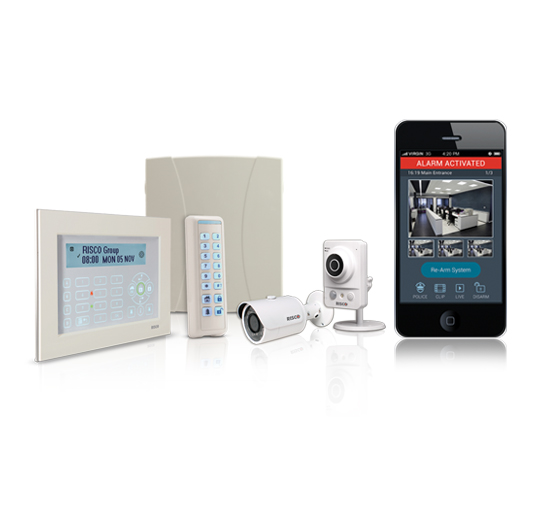
L’idea di sicurezza va fatta risalire a migliaia di anni fa, quando i cari erano utilizzati per avvisare di eventuali intrusi nella proprietà e proteggersi con le armi, era qualcosa di normale. Oggi giorno, la sicurezza è diventata estremamente sofisticata grazie all’innovazione e ai vantaggi che la tecnologia permette. Questo articolo vi illustrerà come i sistemi di sicurezza moderni si sono evoluti nel corso degli anni e offre alcune informazioni sui prossimi passi che la tecnologia sviluppata dai produttori di sistemi di sicurezza stanno sviluppando.

All’inizio del ‘700

Un inventore inglese, Mr Tildsley, è il primo ad essere riconosciuto come il creatore di un modello considerato accettabile di sistema di allarme o antintrusione, collegando in modo meccanico un insieme di catene alla porta di ingresso. Ciò faceva sì che un eventuale intruso, cercando di aprire la porta, facesse muovere le catene facendo così rumore. Certo è un meccanismo molto semplificato se paragonato ai moderni standard, ma ha posto le basi di come un sistema di sicurezza dove funzionare.

Intorno al 1850

Augustus Pope scoprì come utilizzare l’elettricità, con dei magneti ed un campanello per creare la prima versione di un moderno sistema antintrusione. Il sistema era collegato a porte e finestre e ‘reagiva’ al chiudersi di un circuito elettrico, facendo suonare il campanello se una porta o una finestra venivano aperte. Una delle caratteristiche del sistema di Pope era che l’allarme avrebbe continuato a suonare anche se l’intruso fosse riuscito a chiudere la porta o la finestra attraverso cui era entrato, assicurando che il padrone di casa ricevesse comunque una notifica. Pope ha ricevuto il brevetto per questo allarme il 21 Giugno 1853.

1857

Edwin Holmes, l’uomo ricordato per la commercializzazione del sistema di allarme, acquistò il brevetto di Pope per iniziare a produrre e sviluppare l’allarme elettrico su larga scala, anche se queste prime creazioni furono solo all’epoca disponibili in zone benestanti dal momento che erano decisamente costosi.

1905

AT&T acquista l’azienda Holmes Burglar e integra le sue attivitù con i sistemi di chiamate d’emergenza per la polizia locale e i vigili del fuoco – potremmo quasi definirlo un precursore degli Istituti di Vigilanza.

1970 e 1980

La tecnologia è di molto avanzata grazie a tutte le scoperte scientifiche che sono state utilizzare per creare una versione sempre più intelligente del sistema di allarme. I sensori di movimento sono stati introdotti sul mercato negli anni ’70, implementando la tecnologia degli ultrasuoni. Utilizzavano una tecnologia ad ultrasuoni molto semplice che era emessa dal sensore quando qualcosa faceva rimbalzare indietro il segnale. Se un malintenzionato si fosse introdotto in un’abitazione, e fosse stato intercettato dai sensori, avrebbe causato un cambio nelle onde degli ultrasuoni e fatto così scattare l’allarme. Ulteriori miglioramenti introdussero negli anni ’80 l’utilizzo della tecnologia ad infrarossi nei sistemi d’allarme, così che i sensori evitassero dei falsi positivi che si traducevano in falsi allarmi. A questo punto della storia, il sistema di allarme iniziava a divenire abbastanza sostenibile economicamente da poter essere installato nella maggior parte delle abitazioni.

Oggi

Ci sono un’infinita varietà di opzioni disponibili per soddisfare ogni tua esigenza. I Sistemi d’Allarme ora sono disponibili in tante varianti di modelli e dimensioni, e possono sfruttare una tecnologia via radio o una cablata. I sistemi disponibili oggi sul mercato sono ovviamente più avanzati tecnologicamente dei loro predecessori e possono integrare molti sensori di prevenzione, come per esempio Fumi/Calore, Monossido di Carbonio, Anti-Allagamento per citare i più comuni.

Gli attuali cambiamenti in corso tra i produttori di sistemi di sicurezza vedono il sistema di sicurezza in crescita per quanto riguarda le sue funzionalità e i giungerà fino alla gestione completa della casa: integrando sicurezza, prevenzione, gestione di temperatura, luci, acqua … tutto da un singolo sistema ‘smart’. Questi sono progettati e creati per essere controllati e gestiti da remoto dai loro proprietari attraverso Smartphone, tablet e PC.. cosa che significa che ai nostri giorni, l’abitazione è davvero nelle nostre mani!

Utilizziamo i cookie per personalizzare contenuti e annunci, per fornire funzionalità dei social media e per analizzare il nostro traffico. Condividiamo inoltre informazioni sul tuo utilizzo del nostro sito con i nostri partner dei social media, della pubblicità e dell'analisi.
Cookies settings
Accept
Privacy & Cookie policy
Privacy & Cookies policy
Cookie name Active

Privacy Policy

What information do we collect?

We collect information from you when you register on our site or place an order. When ordering or registering on our site, as appropriate, you may be asked to enter your: name, e-mail address or mailing address.

What do we use your information for?

Any of the information we collect from you may be used in one of the following ways: To personalize your experience (your information helps us to better respond to your individual needs) To improve our website (we continually strive to improve our website offerings based on the information and feedback we receive from you) To improve customer service (your information helps us to more effectively respond to your customer service requests and support needs) To process transactions Your information, whether public or private, will not be sold, exchanged, transferred, or given to any other company for any reason whatsoever, without your consent, other than for the express purpose of delivering the purchased product or service requested. To administer a contest, promotion, survey or other site feature To send periodic emails The email address you provide for order processing, will only be used to send you information and updates pertaining to your order.

How do we protect your information?

We implement a variety of security measures to maintain the safety of your personal information when you place an order or enter, submit, or access your personal information. We offer the use of a secure server. All supplied sensitive/credit information is transmitted via Secure Socket Layer (SSL) technology and then encrypted into our Payment gateway providers database only to be accessible by those authorized with special access rights to such systems, and are required to?keep the information confidential. After a transaction, your private information (credit cards, social security numbers, financials, etc.) will not be kept on file for more than 60 days.

Do we use cookies?

Yes (Cookies are small files that a site or its service provider transfers to your computers hard drive through your Web browser (if you allow) that enables the sites or service providers systems to recognize your browser and capture and remember certain information We use cookies to help us remember and process the items in your shopping cart, understand and save your preferences for future visits, keep track of advertisements and compile aggregate data about site traffic and site interaction so that we can offer better site experiences and tools in the future. We may contract with third-party service providers to assist us in better understanding our site visitors. These service providers are not permitted to use the information collected on our behalf except to help us conduct and improve our business. If you prefer, you can choose to have your computer warn you each time a cookie is being sent, or you can choose to turn off all cookies via your browser settings. Like most websites, if you turn your cookies off, some of our services may not function properly. However, you can still place orders by contacting customer service. Google Analytics We use Google Analytics on our sites for anonymous reporting of site usage and for advertising on the site. If you would like to opt-out of Google Analytics monitoring your behaviour on our sites please use this link (https://tools.google.com/dlpage/gaoptout/)

Do we disclose any information to outside parties?

We do not sell, trade, or otherwise transfer to outside parties your personally identifiable information. This does not include trusted third parties who assist us in operating our website, conducting our business, or servicing you, so long as those parties agree to keep this information confidential. We may also release your information when we believe release is appropriate to comply with the law, enforce our site policies, or protect ours or others rights, property, or safety. However, non-personally identifiable visitor information may be provided to other parties for marketing, advertising, or other uses.

Registration

The minimum information we need to register you is your name, email address and a password. We will ask you more questions for different services, including sales promotions. Unless we say otherwise, you have to answer all the registration questions. We may also ask some other, voluntary questions during registration for certain services (for example, professional networks) so we can gain a clearer understanding of who you are. This also allows us to personalise services for you. To assist us in our marketing, in addition to the data that you provide to us if you register, we may also obtain data from trusted third parties to help us understand what you might be interested in. This ‘profiling’ information is produced from a variety of sources, including publicly available data (such as the electoral roll) or from sources such as surveys and polls where you have given your permission for your data to be shared. You can choose not to have such data shared with the Guardian from these sources by logging into your account and changing the settings in the privacy section. After you have registered, and with your permission, we may send you emails we think may interest you. Newsletters may be personalised based on what you have been reading on theguardian.com. At any time you can decide not to receive these emails and will be able to ‘unsubscribe’. Logging in using social networking credentials If you log-in to our sites using a Facebook log-in, you are granting permission to Facebook to share your user details with us. This will include your name, email address, date of birth and location which will then be used to form a Guardian identity. You can also use your picture from Facebook as part of your profile. This will also allow us and Facebook to share your, networks, user ID and any other information you choose to share according to your Facebook account settings. If you remove the Guardian app from your Facebook settings, we will no longer have access to this information. If you log-in to our sites using a Google log-in, you grant permission to Google to share your user details with us. This will include your name, email address, date of birth, sex and location which we will then use to form a Guardian identity. You may use your picture from Google as part of your profile. This also allows us to share your networks, user ID and any other information you choose to share according to your Google account settings. If you remove the Guardian from your Google settings, we will no longer have access to this information. If you log-in to our sites using a twitter log-in, we receive your avatar (the small picture that appears next to your tweets) and twitter username.

Children’s Online Privacy Protection Act Compliance

We are in compliance with the requirements of COPPA (Childrens Online Privacy Protection Act), we do not collect any information from anyone under 13 years of age. Our website, products and services are all directed to people who are at least 13 years old or older.

Updating your personal information

We offer a ‘My details’ page (also known as Dashboard), where you can update your personal information at any time, and change your marketing preferences. You can get to this page from most pages on the site – simply click on the ‘My details’ link at the top of the screen when you are signed in.

Online Privacy Policy Only

This online privacy policy applies only to information collected through our website and not to information collected offline.

Your Consent

By using our site, you consent to our privacy policy.

Changes to our Privacy Policy

If we decide to change our privacy policy, we will post those changes on this page.
Save settings
Cookies settings