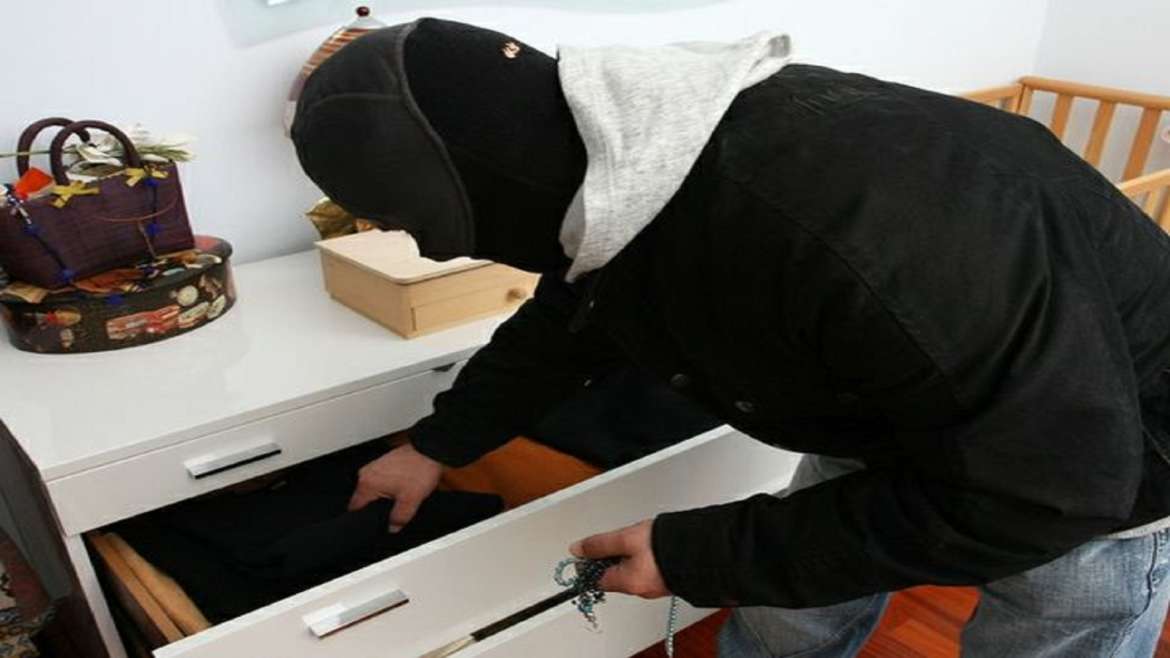
I dati in merito ai furti in appartamento relativi alle grandi città italiane sono piuttosto sconfortanti: è stato rilevato, infatti, che essi sono più che raddoppiati negli ultimi 10 anni. Probabilmente, sia a causa della capillare crisi economica, sia a causa degli effetti della globalizzazione, questo genere di reato è divenuto una vera e propria piaga sociale che influisce negativamente sulla qualità della vita degli onesti cittadini. Proprio per questo motivo è importante imparare a tutelare se stessi e i propri beni, senza vivere in uno stato di ansia e di paura perenni. Di seguito forniamo alcuni preziosi suggerimenti per mettersi al riparo dai furti in appartamento.

Se non si vuole entrare nel mirino dei ladri o comunque se si desidera limitare i danni di un eventuale furto, è opportuno adottare una serie di misure comportamentali adeguate:

1 – fotografare e schedare tutti gli oggetti di valore (gioielli, dipinti, prodotti tecnologici, ecc.) che sono custoditi nel proprio appartamento;

2 – mantenere buoni rapporti con i vicini di casa, in modo tale da poter stabilire un rapporto di reciproca protezione;

3 – farsi fare il duplicato delle chiavi esclusivamente da persone di fiducia;

4 –  evitare di attaccare una targhetta alle chiavi con l’indirizzo della propria residenza, in modo tale da non favorire la visita di qualche malintenzionato in caso di smarrimento delle chiavi;

5 – non conservare gli oggetti di valore nei luoghi più “scontati” della casa, come, per esempio, gli armadi, i cassetti, i vasi, ecc.

6 – non sponsorizzare con post o fotografie sui social network, la propria eventuale assenza da casa, soprattutto nel caso di un lungo viaggio, al fine di non dare modo ai ladri di approfittare di questa notizia;

7 – provvedere alla sicurezza passiva dell’appartamento, ovvero dotarlo di tutti quegli elementi di tipo non impiantistico, che sono a finalizzati a creare un efficace deterrente per tutti coloro che vorrebbero intrufolarsi in casa;

8 – dotare la propria abitazione di un dispositivo di allarme (wi-fi o filare), assicurandosi che disponga di tutte le certificazioni e che garantisca performance affidabili (in tal caso si parla di sicurezza attiva);

9 – effettuare una copia dei documenti più importanti (documenti di identità, contratti di locazione, rogiti notarili, ecc.)

10 – non tenere in casa grosse somme di denaro;

I ladri agiscono anche di giorno

Secondo un diffuso luogo comune i ladri agiscono per lo più di notte, quando tutti gli abitanti della casa dormono, forzando porte, infissi ed altri punti di accesso dell’abitazione. In realtà i dati Istat restituiscono una realtà significativamente diversa: è emerso, infatti, che le strategie più moderne adottate dai ladri prevedono di intrufolarsi nelle case dei malcapitati attraverso raggiri ben congeniati. Essi, ad esempio, si spacciano per tecnici della luce, per rappresentanti di una certa compagnia telefonica o di altre utenze domestiche o addirittura per addetti alla sicurezza dello stabile (questa messa in scena, purtroppo, è stata elaborata, in seguito al devastante terremoto del Centro Italia): dopo aver conquistato la fiducia della vittima, approfittano della sua distrazione per commettere l’illecito.

Proprio per questo motivo è importante non accogliere mai nessuno in casa se non si ha la certezza della sua identità e soprattutto se costoro fanno riferimento a fatti di cui non si è minimamente a conoscenza.

Va detto a tal proposito che le vittime preferite dai ladri, in questi specifici casi, sono gli anziani, in quanto sono soggetti più vulnerabili e più facilmente raggirabili. Ultimamente, per far fronte a questo problema, sono state promosse numerose campagne di informazione volte a tenere alta l’attenzione sui raggiri e le truffe che sempre più spesso vengono portati a termine. L’invito unanime da parte delle Istituzioni e delle Forze dell’Ordine è quello di tenere gli occhi sempre bene aperti e di denunciare qualsiasi illecito ai propri danni.

Le grandi città nel mirino dei ladri

Come già accennato precedentemente, è proprio nei grandi centri urbani che si registra il maggior numero di furti, soprattutto in quei quartieri caratterizzati dalla presenza di stabili particolarmente vulnerabili.

Concentriamoci sulla capitale: secondo Transcrime, il centro di ricerca interuniversitario dell’Università Cattolica del Sacro Cuore di Milano, a Roma c’è stato un incremento dei furti in appartamento pari al 25%. Un vero e proprio record negativo, che ha messo in allarme tutti gli abitanti della città capitolina.

Come dormire sonni tranquilli se vivi in una città come Roma

Un antifurto casa a Roma è assolutamente indispensabile per dormire sonni tranquilli e mettere al sicuro i propri beni e i propri cari. Sul mercato esistono sistemi di protezione che si basano sulla tecnologia wi-fi (ovvero senza fili) e quelli, invece, che necessitano di essere collegati ai cavi elettrici (cablati o filari) della casa. Oggi è la prima tipologia quella più diffusa, in quanto negli anni è diventata sempre più sofisticata e non richiede per l’installazione che siano effettuate opere murarie invasive, riducendo anche i costi in maniera significativa.

Si consiglia di dotare l’allarme casa di sensori perimetrali (ovvero collocati in corrispondenza del giardino, degli infissi e dei tutti i punti di accesso), di rilevatori volumetrici per gli interni e di combinatori telefonici che consentano di mantenere un filo diretto con le forze dell’ordine o, in alternativa, con un istituto di vigilanza privata a Roma.

Per rendere ancora più performante l’allarme casa, è possibile optare per un sistema integrato di Videoverifica , in quanto  permette di tenere sotto controllo tutti gli spazi della propria abitazione anche quando si è assenti.

Fonte:Polis Quotidiano

 

Utilizziamo i cookie per personalizzare contenuti e annunci, per fornire funzionalità dei social media e per analizzare il nostro traffico. Condividiamo inoltre informazioni sul tuo utilizzo del nostro sito con i nostri partner dei social media, della pubblicità e dell'analisi.
Cookies settings
Accept
Privacy & Cookie policy
Privacy & Cookies policy
Cookie name Active

Privacy Policy

What information do we collect?

We collect information from you when you register on our site or place an order. When ordering or registering on our site, as appropriate, you may be asked to enter your: name, e-mail address or mailing address.

What do we use your information for?

Any of the information we collect from you may be used in one of the following ways: To personalize your experience (your information helps us to better respond to your individual needs) To improve our website (we continually strive to improve our website offerings based on the information and feedback we receive from you) To improve customer service (your information helps us to more effectively respond to your customer service requests and support needs) To process transactions Your information, whether public or private, will not be sold, exchanged, transferred, or given to any other company for any reason whatsoever, without your consent, other than for the express purpose of delivering the purchased product or service requested. To administer a contest, promotion, survey or other site feature To send periodic emails The email address you provide for order processing, will only be used to send you information and updates pertaining to your order.

How do we protect your information?

We implement a variety of security measures to maintain the safety of your personal information when you place an order or enter, submit, or access your personal information. We offer the use of a secure server. All supplied sensitive/credit information is transmitted via Secure Socket Layer (SSL) technology and then encrypted into our Payment gateway providers database only to be accessible by those authorized with special access rights to such systems, and are required to?keep the information confidential. After a transaction, your private information (credit cards, social security numbers, financials, etc.) will not be kept on file for more than 60 days.

Do we use cookies?

Yes (Cookies are small files that a site or its service provider transfers to your computers hard drive through your Web browser (if you allow) that enables the sites or service providers systems to recognize your browser and capture and remember certain information We use cookies to help us remember and process the items in your shopping cart, understand and save your preferences for future visits, keep track of advertisements and compile aggregate data about site traffic and site interaction so that we can offer better site experiences and tools in the future. We may contract with third-party service providers to assist us in better understanding our site visitors. These service providers are not permitted to use the information collected on our behalf except to help us conduct and improve our business. If you prefer, you can choose to have your computer warn you each time a cookie is being sent, or you can choose to turn off all cookies via your browser settings. Like most websites, if you turn your cookies off, some of our services may not function properly. However, you can still place orders by contacting customer service. Google Analytics We use Google Analytics on our sites for anonymous reporting of site usage and for advertising on the site. If you would like to opt-out of Google Analytics monitoring your behaviour on our sites please use this link (https://tools.google.com/dlpage/gaoptout/)

Do we disclose any information to outside parties?

We do not sell, trade, or otherwise transfer to outside parties your personally identifiable information. This does not include trusted third parties who assist us in operating our website, conducting our business, or servicing you, so long as those parties agree to keep this information confidential. We may also release your information when we believe release is appropriate to comply with the law, enforce our site policies, or protect ours or others rights, property, or safety. However, non-personally identifiable visitor information may be provided to other parties for marketing, advertising, or other uses.

Registration

The minimum information we need to register you is your name, email address and a password. We will ask you more questions for different services, including sales promotions. Unless we say otherwise, you have to answer all the registration questions. We may also ask some other, voluntary questions during registration for certain services (for example, professional networks) so we can gain a clearer understanding of who you are. This also allows us to personalise services for you. To assist us in our marketing, in addition to the data that you provide to us if you register, we may also obtain data from trusted third parties to help us understand what you might be interested in. This ‘profiling’ information is produced from a variety of sources, including publicly available data (such as the electoral roll) or from sources such as surveys and polls where you have given your permission for your data to be shared. You can choose not to have such data shared with the Guardian from these sources by logging into your account and changing the settings in the privacy section. After you have registered, and with your permission, we may send you emails we think may interest you. Newsletters may be personalised based on what you have been reading on theguardian.com. At any time you can decide not to receive these emails and will be able to ‘unsubscribe’. Logging in using social networking credentials If you log-in to our sites using a Facebook log-in, you are granting permission to Facebook to share your user details with us. This will include your name, email address, date of birth and location which will then be used to form a Guardian identity. You can also use your picture from Facebook as part of your profile. This will also allow us and Facebook to share your, networks, user ID and any other information you choose to share according to your Facebook account settings. If you remove the Guardian app from your Facebook settings, we will no longer have access to this information. If you log-in to our sites using a Google log-in, you grant permission to Google to share your user details with us. This will include your name, email address, date of birth, sex and location which we will then use to form a Guardian identity. You may use your picture from Google as part of your profile. This also allows us to share your networks, user ID and any other information you choose to share according to your Google account settings. If you remove the Guardian from your Google settings, we will no longer have access to this information. If you log-in to our sites using a twitter log-in, we receive your avatar (the small picture that appears next to your tweets) and twitter username.

Children’s Online Privacy Protection Act Compliance

We are in compliance with the requirements of COPPA (Childrens Online Privacy Protection Act), we do not collect any information from anyone under 13 years of age. Our website, products and services are all directed to people who are at least 13 years old or older.

Updating your personal information

We offer a ‘My details’ page (also known as Dashboard), where you can update your personal information at any time, and change your marketing preferences. You can get to this page from most pages on the site – simply click on the ‘My details’ link at the top of the screen when you are signed in.

Online Privacy Policy Only

This online privacy policy applies only to information collected through our website and not to information collected offline.

Your Consent

By using our site, you consent to our privacy policy.

Changes to our Privacy Policy

If we decide to change our privacy policy, we will post those changes on this page.
Save settings
Cookies settings